
Engineering Skills for the Future
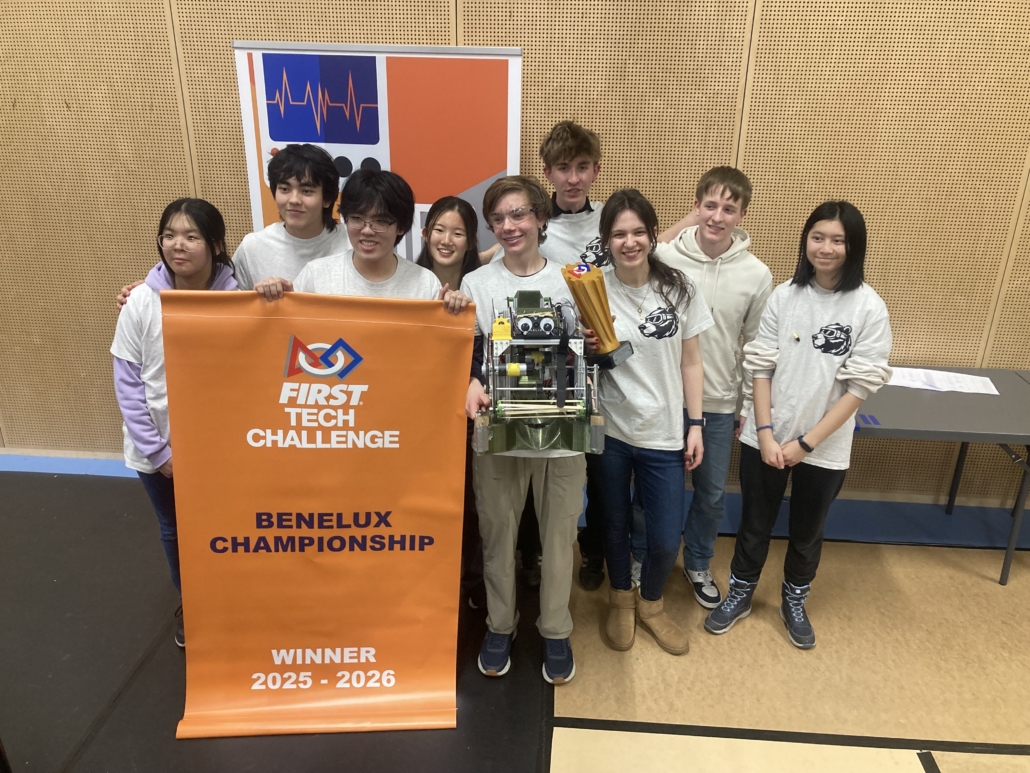
ISA’s Engineering Club, the Beargineers, had an extraordinary competition season this school year.
After months of designing, building, programming and testing their robot, the team rose through regional and Benelux-level competitions, going undefeated at the First Tech Challenge (FTC) Benelux Championship and earning a place at the FIRST Tech Challenge World Championship in Houston, Texas. There, they joined more than 19,000 students from around the world at the largest youth robotics event of its kind.
Yet for the students involved, the season was about much more than competition results.
Robotics requires students to take on a wide range of roles. Alongside engineering and programming, team members contribute through project management, communication, strategy, outreach and leadership. Throughout the season, students worked together to solve problems, adapt to challenges and continually improve their robot through an iterative design process.
The team’s success was built on persistence. According to the Beargineers, their engineering process led to three complete robot rebuilds during the season, alongside the development of modular software and new systems designed to improve performance and consistency.
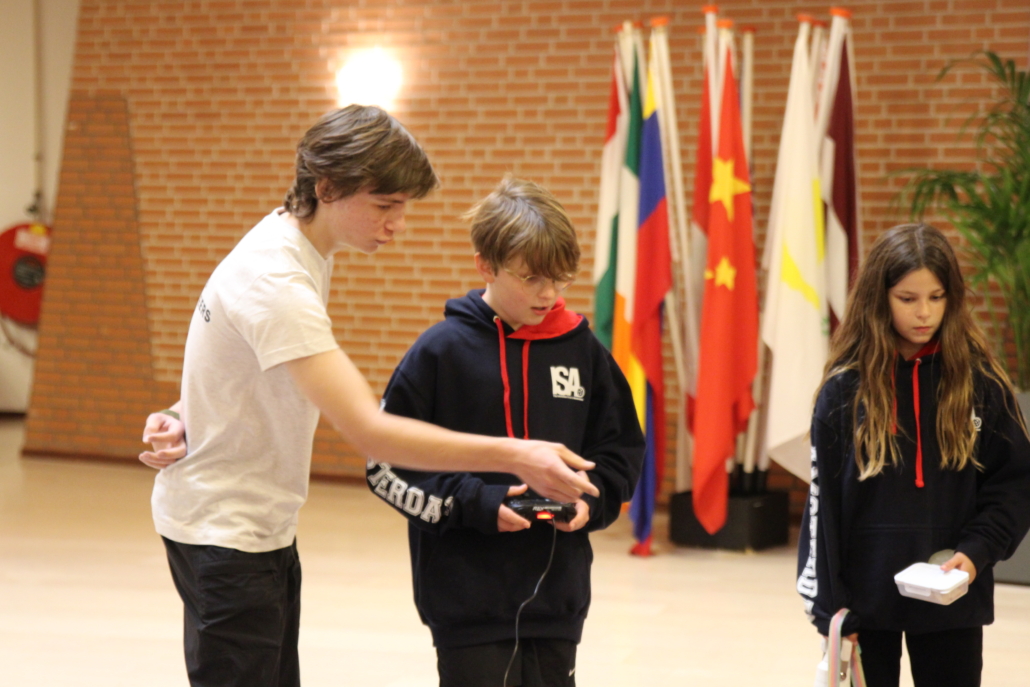
Each competition provided new opportunities to learn, refine ideas and overcome obstacles.
Their impact also extended beyond the competition field. The team conducted demonstrations for fellow students, shared their enthusiasm for robotics within the ISA community and supported the growth of younger and newer team members. This commitment to sustainability and knowledge-sharing was recognised through the FTC Sustain Award, which celebrates teams that work to ensure their programmes continue to thrive long into the future.
Reflecting on the season after competing in Houston, the team described “an unforgettable experience and learning opportunity” and expressed excitement about working together again in the future.
Perhaps the strongest measure of the season’s success was not the robot itself, but what was built around it. As the Beargineers reflected, they “did not just build a better robot”, they built a stronger engineering process, a stronger team and a stronger local robotics community. This is a legacy they will be able to pass on to future generations of Beargineers.
By moving beyond simply using technology and instead learning how to create it, students developed skills that extend far beyond robotics itself. Through collaboration, resilience, leadership and innovation, the Beargineers demonstrated how technology can become a vehicle for creativity and problem-solving.

