
Digital Responsibility: ISA Joins the E-Waste Race
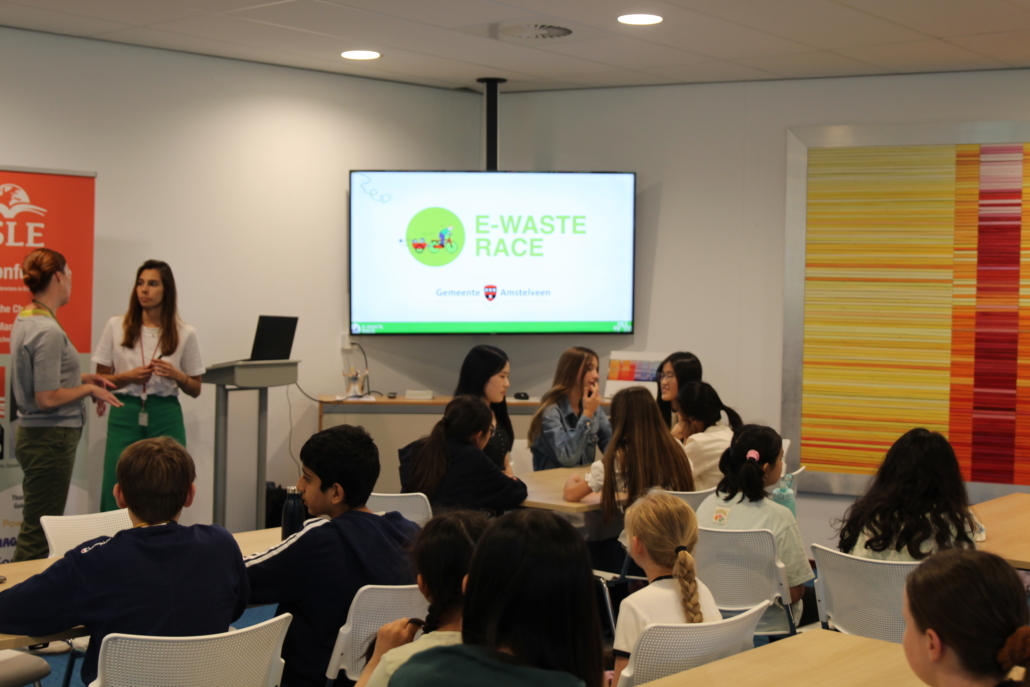
ISA recently took part in this year’s E-Waste Race, joining schools across Amstelveen in a community-wide challenge to collect and safely recycle unwanted electronics. Over the past two weeks, students, staff and families have been bringing old devices to the collection point in the main foyer, helping to keep valuable materials in circulation and out of landfill.
Through the initiative, students have been encouraged to think differently about the devices they use every day and the wider impact of the choices we make as consumers. To launch the project, students in the Lower and Middle School Green Team took part in an educational session led by Race Against Waste, an organisation which aspires to inspire everyone to participate in the transition to a circular economy. Students learnt about the growing challenge of e-waste and the importance of responsible recycling practices.
“Every new device you buy affects the world around us,” explained Very from Race Against Waste, encouraging students to consider the wider consequences of the technology they use.
For many students, the session provided a new perspective on the devices they use every day. They learned that the raw materials used to create technology are finite, that mining can have both environmental and social consequences, and that discarded electronics can harm our environment if they are not recycled safely.
Students were also introduced to the concept of the circular economy and explored how buying less, repairing devices, reusing electronics and recycling responsibly can help reduce waste and conserve valuable resources.
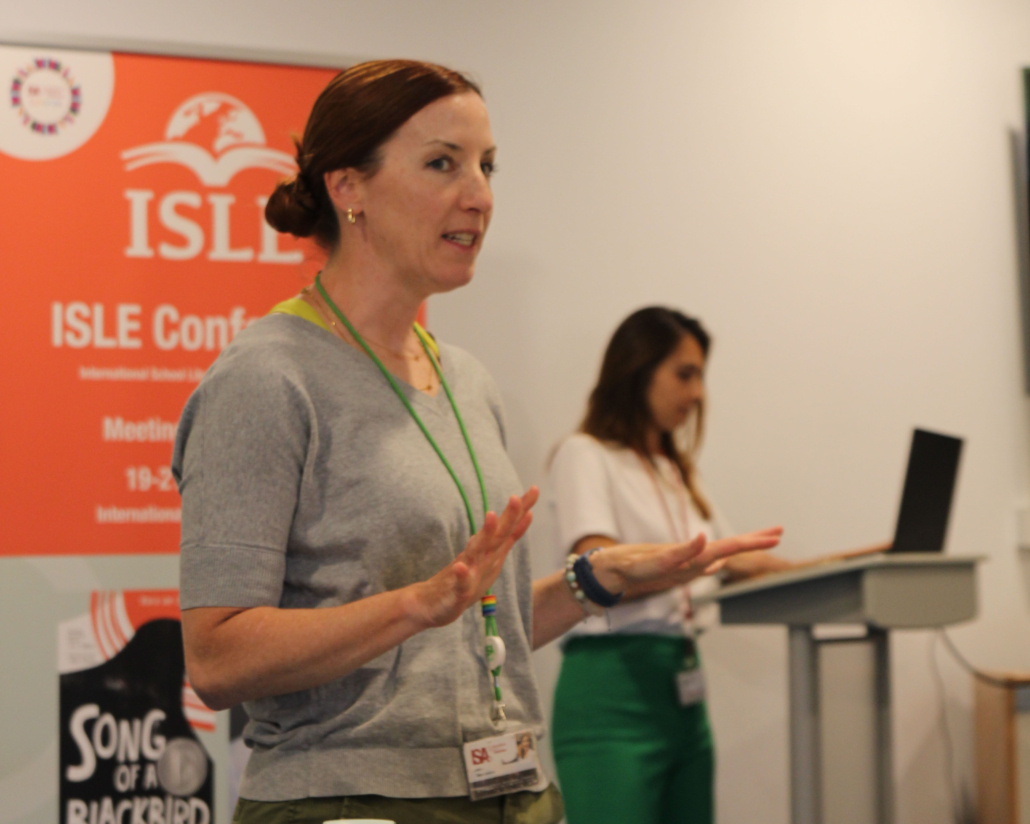
The E-Waste Race is part of ISA’s longstanding commitment to sustainability and environmental responsibility. Having first participated in the initiative in 2016 and winning the competition in 2021, we continue to encourage students to connect their learning with action and recognise the role they can play in creating positive change.
The project serves as a reminder that digital responsibility extends beyond how we use technology. It also includes understanding where our devices come from, the resources they require and what happens when they reach the end of their life. By looking beyond the screen, students are developing a broader understanding of the impact of technology and the choices they can make as informed and responsible digital citizens.

