
International School of Amsterdam
  • About ISA
    • Mission & Vision
    • Accreditation
    • Supervisory Board
    • Leadership Team
    • History of ISA
  • Admissions
    • Inquire & Visit
    • Apply to ISA
    • Admissions Policy
    • Admissions FAQs
    • Resources
    • Fees
  • Learning at ISA
    • Nursery
    • Early Years
    • Primary Years
    • Middle Years
    • Diploma Years
    • Project Zero
    • Language Programmes
    • Libraries
    • Educational Technology
  • Student Experience
    • Student Support and Counselling
    • Safeguarding and Wellbeing
    • The Arts
    • Athletics
    • Extracurriculars
    • After School and Vacation Care Programme
  • Our Community
    • PTA
    • Green Team
    • Alumni
  • Employment
    • Professional Development
    • Vacancies
    • Human Resources FAQs
  • Contact
  • Quick Links
    • Login to Veracross
    • Report Absence
    • School Term Calendar
    • ISA Graduate and Former Student Document Request
    • Lunch Menu
  • Menu Menu

The International School of Amsterdam and the Value of Learning Playfully
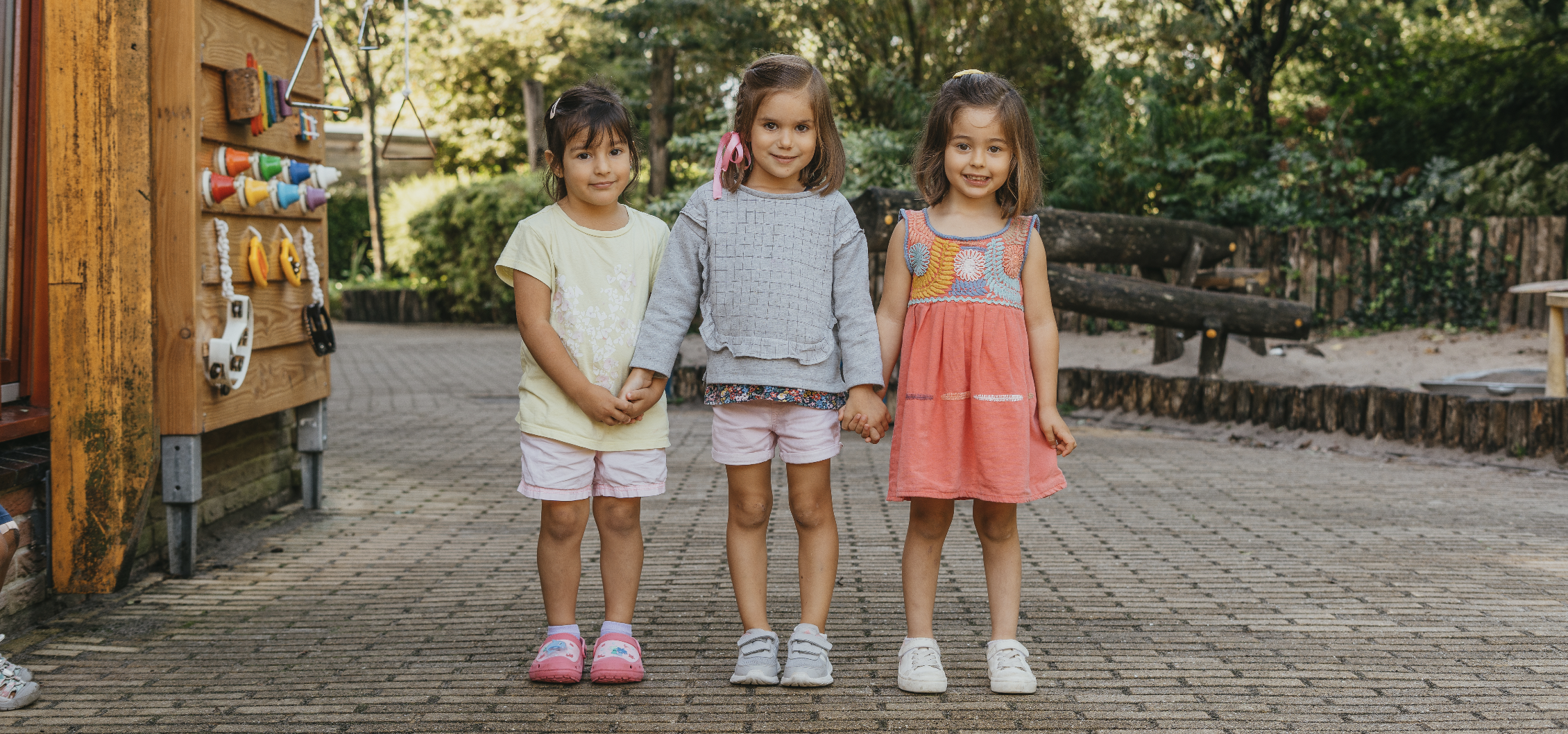
Early Years education at ISA begins in (rising) Nursery (2-3 years old) and continues through Pre-School (3-4 years old), Pre-Kindergarten (4-5 years old) and Kindergarten (5-6 years old) grade levels. ISA believes that these years of education are amongst the most crucial in a child’s overall development. 

ISA offers flexible programme options such as part-time education, rising Pre-School and rising Nursery. There is always an option that best fits the needs of your family!

The Early Years (EY) programme, and the approach to Early Years education, is engaging and interactive to provide the best possible learning environments for children to develop in the areas below-mentioned. With highly qualified and experienced teachers who engage in continuous professional development through our in-house centre for excellence and partnership with Harvard University, our Early Years team challenges students to learn literacy, science and mathematics through play. 

Learning Playfully

It is through play that EY students create learning opportunities. Play can take many forms, from free play amongst children themselves, to co-opted play between children and their teachers. In all its forms play allows young learners to naturally and actively construct meaning from their interactions with their peers and the world around them. These meanings are continuously built upon and revisited as experiences grow. ISA provides space for students to enjoy authentic, valuable and varied types of play, with a focus on building up positive and strong relationships with their teachers.

Environment

The EY centre on the campus is part of, but separate from, the rest of the school and it provides a safe, welcoming home for young learners in Nursery, Pre-School and Pre-Kindergarten. The physical environment of the EY centre includes the classrooms, playgrounds, EY kitchen, library, gym, music room and art atelier. Each of these spaces is purpose-built, and they have been thoughtfully designed to encourage play and build relationships in a safe and secure way.

Relationships

Research has shown that the self-regulation and language skills that are learned, both socially and emotionally, through relationship building in early years are the most important predictors of children’s future academic success and personal wellbeing. Maintaining positive relationships is a fundamental part of the EY programme, for both students and staff. School leaders aim to engage and empower EY teachers, and in so doing improve the learning experience of their young learners.

Student Agency

ISA believes that it is important that EY learners feel a sense of ownership over their own learning. By promoting student agency at a young age, early learners are encouraged to become more at ease with being independent, comfortable at negotiating and compromising together in play, and confident in asserting themselves.

Inquiry Through Play

By focusing on these areas ISA ensures that the EY programme is wholly child-centred, and at all times driven by the needs of young students.

“Skill development through play  From birth, children are ‘hands-on’ natural inquirers and learn through playful interactions with people and their environment. Play is an essential aspect of a child’s healthy development. Through play-based learning, children develop and nurture fundamental knowledge and skills.   Learning in the Primary Years Programme (PYP) is based on ‘approaches to learning’ skills (ATLs). These skills aim to support children of all ages to become learners who know how to ask good questions, set effective goals and pursue their aspirations with the determination to achieve them.  The infographic below, represents how ATLs can be developed through play.”

View By Grade Level

  • MYP
  • Beyond the Classroom
  • Wellbeing & Personal Growth
  • Academic Excellence
  • Arts
  • Wellbeing and Safeguarding
  • Counselling
  • Impact
  • Tech
  • Libraries
  • Languages
  • DP
  • PYP
  • Early Years
  • After School Care Programme
  • Alumni
  • All School
  • Nursery
  • Lower School
  • Upper School
  • Athletics
  • Extracurricular
  • Health News

Latest News

  • Alumni Spotlight: Cristobal Lowery
  • Alumni Spotlight: Lamija Skapur
  • Class of 2026 University Placement
  • Alumni Spotlight: Maddalena Coppo
  • Class of 2016 Returns for 10-Year Alumni Reunion

Archives

  • September 2026
  • August 2026
  • July 2026
  • June 2026
  • May 2026
  • April 2026
  • March 2026
  • February 2026
  • January 2026
  • December 2025
  • November 2025
  • October 2025
  • September 2025
  • August 2025
  • July 2025
  • June 2025
  • May 2025
  • April 2025
  • March 2025
  • February 2025
  • December 2024
  • November 2024
  • October 2024
  • September 2024
  • August 2024
  • July 2024
  • June 2024
  • May 2024
  • April 2024
  • March 2024
  • February 2024
  • January 2024
  • December 2023
  • November 2023
  • September 2023
  • August 2023
  • June 2023
  • May 2023
  • April 2023
  • March 2023
  • February 2023
  • January 2023
  • December 2022
  • November 2022
  • October 2022
  • September 2022
  • August 2022
  • June 2022
  • May 2022
  • April 2022
  • March 2022
  • February 2022
  • January 2022
  • December 2021
  • November 2021
  • October 2021
  • September 2021
  • August 2021
  • July 2021
  • May 2021
  • April 2021
  • March 2021
  • February 2021
  • December 2020
  • November 2020
  • October 2020
  • September 2020
  • August 2020
  • June 2020
  • April 2020
  • February 2020
  • December 2019
  • November 2019
  • October 2019
  • June 2019
  • March 2019
  • February 2019
  • January 2019
  • November 2018
  • October 2018
  • September 2018
  • July 2018
  • May 2018
  • March 2018
  • February 2018
  • January 2018
  • December 2017
  • November 2017
  • October 2017
  • June 2017
  • May 2017
  • April 2017
  • March 2017
  • February 2017
  • January 2017
  • December 2016
  • November 2016
  • October 2016
  • September 2016
  • August 2016
  • May 2016
  • April 2016
  • March 2016
  • February 2016
  • November 2015
  • October 2015
  • September 2015
  • August 2015
  • July 2015
  • June 2015
  • May 2015
  • March 2015
  • November 2014

Connect with Us

Instagram

Facebook

LinkedIn

Youtube

Contact Us

Sportlaan 45, 1185 TB Amstelveen, The Netherlands

Telephone: +31 20 347 1111

Privacy Policy

ISA Privacy Policy

Link to: MUNISH 2022 and the Success of the ISA MUN Programme Link to: MUNISH 2022 and the Success of the ISA MUN Programme MUNISH 2022 and the Success of the ISA MUN Programme Link to: The International School of Amsterdam: A Pioneer in Developing Minds, Character and Community Link to: The International School of Amsterdam: A Pioneer in Developing Minds, Character and Community The International School of Amsterdam: A Pioneer in Developing Minds, Character...
Scroll to top Scroll to top Scroll to top
This site uses cookies for improving performance and features. To know more about how we protect your privacy and the cookies we use, please visit our privacy policy.